
If you're looking into sleep training, you've probably searched for a gentle method that won't involve tears. The thought of hearing your baby cry might make you nervous. Maybe you've read conflicting advice online and aren't sure what to believe. Or maybe you're simply exhausted and want everyone in your house to get more sleep.
I understand why so many parents look for a no-cry method. Nobody wants to hear their baby cry, especially when they're already tired and questioning whether they're doing the right thing. But here's what I want parents to understand: no sleep training method can guarantee zero tears. That doesn't mean every method involves leaving your baby to cry alone, and you don't have to choose an approach that makes you uncomfortable.
Let's talk about what gentle sleep training actually looks like, why consistency matters, and what to consider when choosing a sleep consultant to support your family.
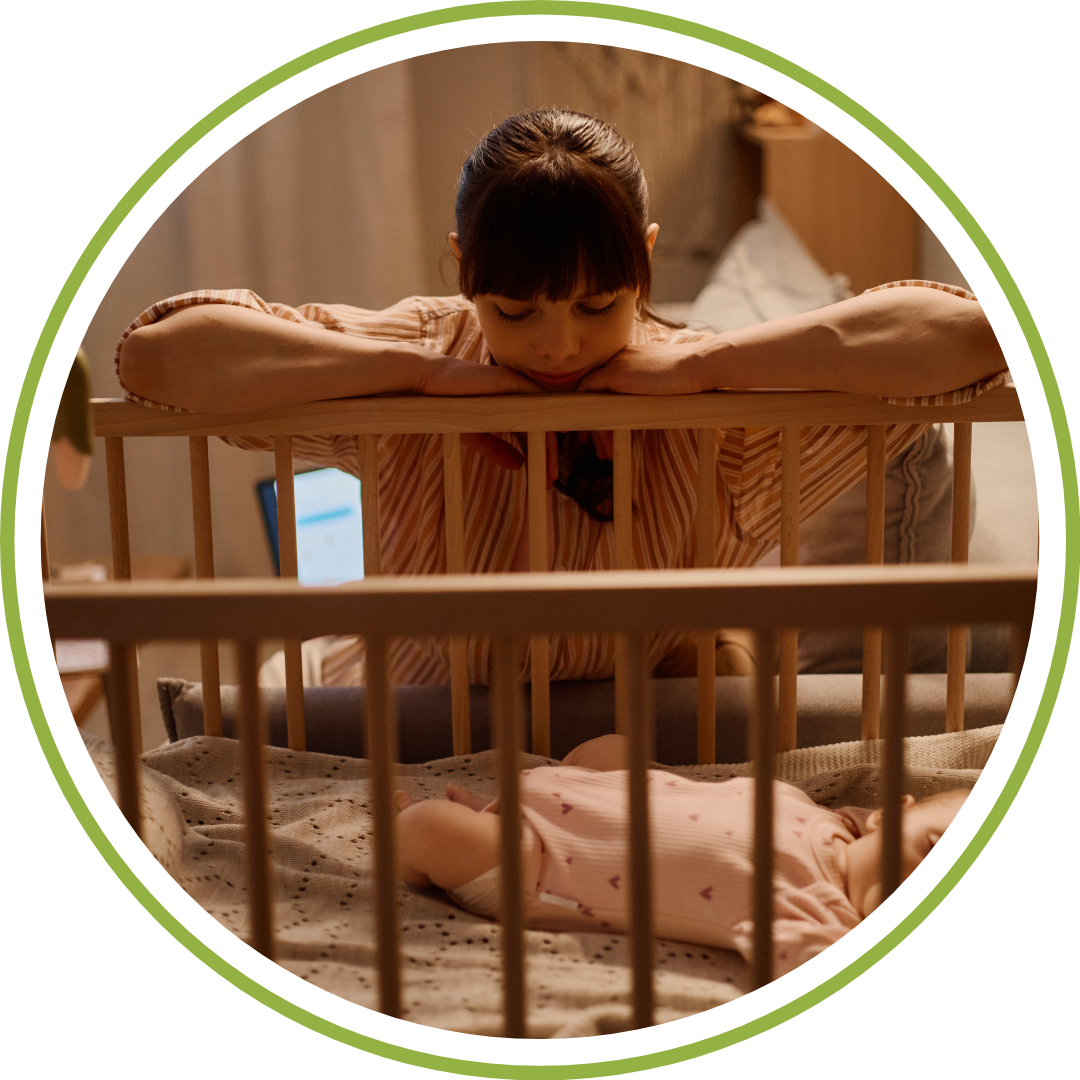
What Does Gentle Sleep Training Really Mean?
One of the biggest misconceptions about sleep training is that it always means leaving your baby alone to cry until they fall asleep. That's one approach, but it's not the only one.
Gentle sleep training can involve offering reassurance, staying close, and responding to your child while gradually changing the way they fall asleep. The level of support depends on the method, your child's needs, and what feels manageable for your family.
Will your baby sometimes cry or fuss when you change their bedtime routine? They might.
Think about it from your child's perspective. Maybe they've always been rocked to sleep, fed to sleep, or held until they're completely asleep. That's what they know, and it's what they expect to happen every night.
When that routine changes, they may protest. They might be frustrated because bedtime feels different, and they don't yet know what to expect. That doesn't automatically mean something is wrong. But it also doesn't mean you should ignore every cry. Hunger, discomfort, illness, and other needs still matter. The goal is to find an approach that lets your child learn while keeping them safe, supported, and developmentally ready.
Why It's So Hard to Hear Your Baby Cry
If you've ever picked up your baby because you couldn't stand another minute of crying, you're not alone. That instinct to make everything better is strong. It's part of being a parent, and there's nothing wrong with wanting to comfort your child.
The challenge comes when we assume that because crying is hard for us to hear, it must mean something is wrong for our baby. Our emotional response and our child's experience aren't always the same thing. Sometimes a baby cries because they need something from us. Other times, they may be frustrated by a change in routine. Understanding the difference takes practice, and a clear, appropriate sleep plan can help.
You don't need to stop caring about your baby's tears. You need to understand what might be causing them and how to respond.
The Difference Between a Want and a Need
I often share this example with parents when we talk about boundaries and consistency. Imagine your toddler wants to touch a hot stove. They might cry, protest, and become very upset when you stop them. You still don't let them touch it because keeping them safe is more important than giving them what they want in that moment. You're not being unkind. You're setting a boundary.
Bedtime is different, of course, but the example illustrates an important point: children can be upset about a boundary even when it’s appropriate. Your baby might want to be rocked all the way to sleep or picked up every time they stir. Depending on their age and individual needs, you may be able to gradually change those patterns while continuing to offer comfort and reassurance. This doesn't mean assuming every cry is just a want. Babies still need us to respond to hunger, discomfort, illness, and other genuine needs. It means looking at the whole situation instead of automatically assuming that the only way to comfort your child is to return to the exact routine you've been trying to change.
Why Your Baby Keeps Looking for the Old Pattern
Babies and young children learn through repetition. They start to understand what comes next because they've experienced it repeatedly. Maybe your bedtime routine has always involved feeding, rocking, and carefully transferring your baby to the crib once they're asleep. Or maybe your little one needs you beside them until they drift off. There's nothing wrong with those habits. You did what worked for your family, and those routines may have been exactly what your baby needed at the time. But sometimes those patterns stop working well for everyone.
Bedtime might take an hour. Your baby might wake frequently and need the same help to settle again. You might find yourself exhausted from repeating the entire routine several times a night. When that happens, it can be helpful to look at the pattern you've established and consider whether it's time for a change. Sleep training gives your child the chance to learn a different way to fall asleep, with support that fits their needs.

For more information on infant sleep patterns and bedtime routines, the American Academy of Pediatrics shares guidance on helping your baby fall asleep.
Why Consistency Matters So Much in Sleep Training
This is one of the biggest things I talk about with the families I work with at Gentle Journey Sleep Co. Now you're working on a new routine where you offer reassurance but give them a chance to settle in their crib.
On Monday, you follow the new routine. Your baby fusses, you offer support, and eventually they fall asleep.
On Tuesday, the crying is harder to listen to, so you pick them up and rock them to sleep.
On Wednesday, you try the new routine again.
From your perspective, you're doing your best. You're tired, you're trying to comfort your baby, and you're making decisions in the moment. But your baby is experiencing a different pattern each night. They're still learning what to expect, and they haven't had much opportunity to understand the new routine.
This is why consistency matters.
When your response changes depending on how long your baby cries or how exhausted you feel, it can make the new pattern harder to establish. Your baby may protest longer because they still expect the old routine. Consistency doesn't mean ignoring your baby or pushing through something that feels wrong. It means choosing an approach you feel comfortable with, responding predictably, and continuing to meet your child's needs. That's why I encourage parents to think carefully about the method they choose. If an approach feels too harsh or doesn't align with your parenting philosophy, it will be hard to follow when things get tough. The right plan should be one you understand, feel confident about, and can realistically carry out.
What if the Crying Gets Worse After a Few Nights?
This is a common concern for parents who are trying to change their baby's sleep routine. You might expect things to get easier each night, so when your baby cries more on night three or four, it can feel like you're doing something wrong. Several things can cause this. Your baby may be adjusting to the new routine, feeling overtired, going through a developmental change, or dealing with something unrelated to sleep. Sometimes, inconsistent responses can also make it harder for your baby to understand what comes next.
Instead of pushing through, take a step back and look at the whole picture. Is your baby's schedule appropriate for their age? Are they feeding as expected? Could they be uncomfortable or unwell? Is the approach still appropriate for your child's needs, and are you comfortable with how you're responding? More crying doesn't automatically mean you should stop the same plan. It may mean something needs adjusting. A good sleep consultant should help you work through those questions rather than simply telling you to stay consistent no matter what.
How Do You Know If Your Baby Is Ready for Sleep Training?
There's no single age or milestone that tells every parent when to start.
Readiness depends on your child's development, health, feeding needs, and individual circumstances. Sleep training isn't appropriate for every baby at every stage, and newborns need responsive care as they develop. As your baby grows, their sleep patterns change, and they gradually develop new abilities. Some families start exploring sleep training around four to six months, but that doesn't mean every baby is ready.
It's worth looking at what's happening at home. Maybe bedtime has become increasingly difficult. Maybe your baby wakes frequently and needs the same assistance each time. Or perhaps the routine that once worked beautifully no longer helps your little one settle.
These changes may be a reason to explore your options, but they don't automatically mean your baby is ready for a particular method. If you're unsure, talk with your pediatrician and consider working with a qualified sleep professional who will consider your child's individual needs.
Whatever approach you choose, your baby's safety always comes first. The American Academy of Pediatrics' safe sleep recommendations are a helpful resource for creating a safe sleep environment for your little one.
How to Choose a Gentle Sleep Consultant
If you're beginning to look for a baby sleep consultant, you might feel overwhelmed by all the different methods and promises out there. Some approaches involve more parental involvement than others. Some focus on gradual changes, while others use more structured routines. The word gentle ” can mean different things to different people, so it's worth asking questions before deciding who to work with.
Here are a few things I'd encourage you to consider:
Does the consultant listen to your concerns? You should feel comfortable explaining what worries you about sleep training.
Will the plan be personalized? Your baby's temperament, age, feeding needs, development, and daily schedule all matter.
Do you understand how you'll respond to crying? You should know what to expect and feel comfortable with the approach before you begin.
Is there support when things get difficult? A good plan should include guidance on what to do when things aren't going as expected.
Does the consultant respect your parenting philosophy? You should never feel pressured into a method that doesn't feel right for your family.
The goal isn't to find someone who promises your baby will never cry. It's to find someone who understands your concerns, explains their approach clearly, and helps you make informed decisions about your child's sleep.
You Don't Have to Figure It Out Alone
If you're reading this because you're exhausted, overwhelmed, or unsure where to start, you don't have to figure it out on your own.
At Gentle Journey Sleep Co., I work with families to understand what's getting in the way of sleep and create a plan that fits their child and their parenting philosophy. I believe consistency matters, but so does knowing when to adjust. I want parents to understand why they're doing something, feel confident in their approach, and know how to respond when things get hard. If you're exploring gentle sleep training and want to learn more about how I work, I'd love to connect.
Book a free 15-minute discovery call with Gentle Journey Sleep Co. We'll talk about what's happening with your child's sleep, answer your initial questions, and see whether working together feels like a good fit.
There's no pressure to commit. It's simply a chance to ask questions and learn a little more about how I work. You know your child better than anyone. My role is to help you understand their sleep and give you the tools and support to move forward with confidence.
I'd love to help you find a gentler, more manageable path toward better sleep for your family!