
Why Your Baby Wakes Up Crying (and What Self-Soothing Actually Means)
If you're putting the pacifier back in, nursing, or rocking ten times a night, you aren’t doing anything wrong. It's one of the most common things parents bring to me as a certified sleep consultant, and it has a clear explanation.
Self-Settling vs. Self-Soothing: What's the Difference?
These two terms get mixed up all the time.
Self-settling means falling asleep independently at the start of a nap or bedtime. Self-soothing is what happens overnight. Babies surface into light sleep every 45 to 90 minutes, and a baby who can self-soothe rolls over, sucks on a fist, and goes back under without help. Parents usually come to me about the second one, even when they think the problem is bedtime.
When Do Babies Learn to Self-Soothe?
Birth to 3 months. Babies can't yet regulate their own nervous systems. They need you for that, so rock, feed, swaddle, and offer the pacifier freely.
3 to 4 months. Sleep itself matures. This is what people call the 4-month sleep regression, though it's really a permanent change in how babies cycle through sleep. This is also when I start seeing early comfort habits: hands to the mouth, head turning side to side, rubbing the sheet, quiet cooing.
4 to 6 months and beyond. Most babies are now physically capable of falling asleep on their own. Capable doesn't mean skilled, though. Like rolling or sitting, it takes practice, and the early attempts are messy.
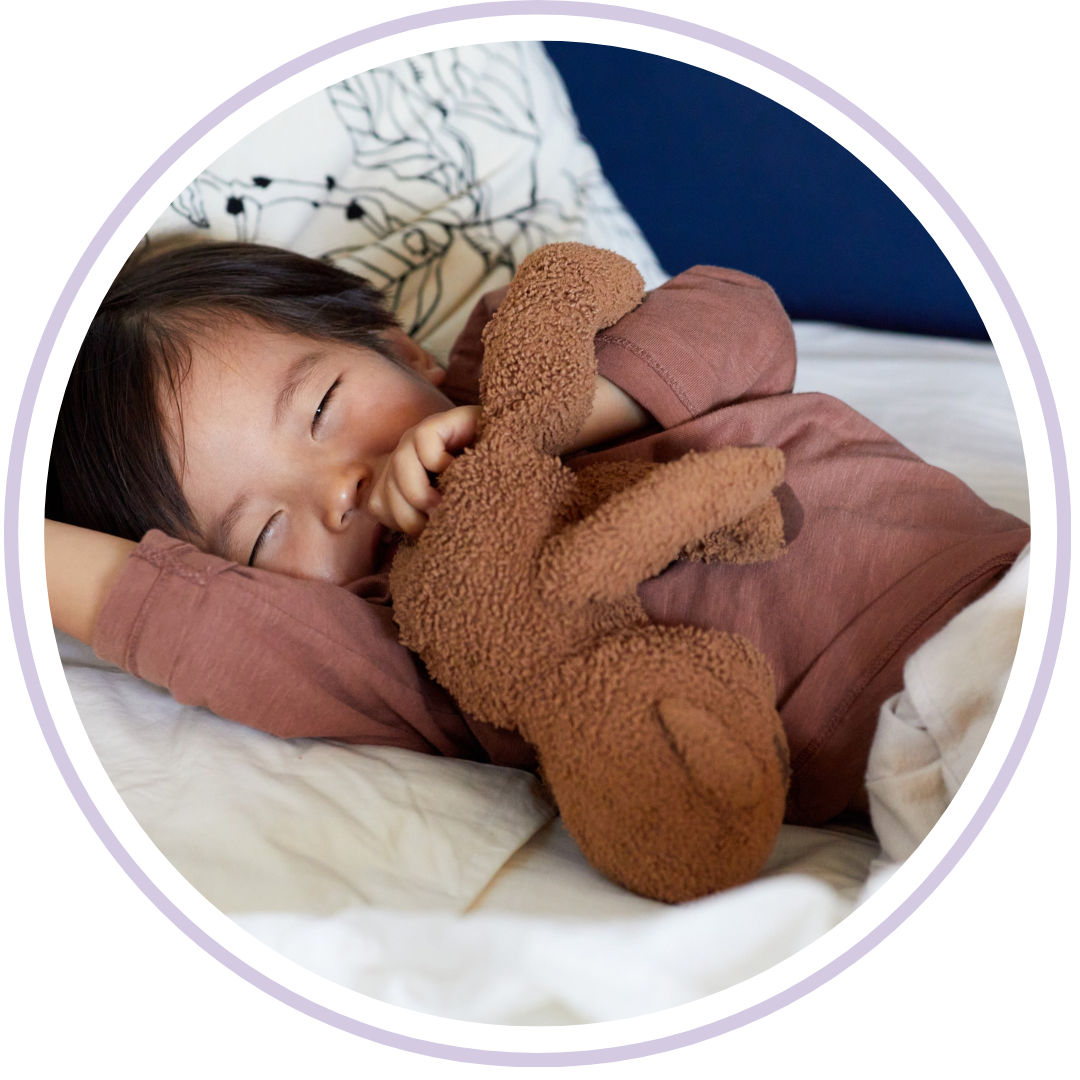
Why Does My Baby Wake Up Crying at Night? Sleep Associations Explained
It comes down to how your baby fell asleep. If they were rocked or nursed until fully out and then moved to the crib, that's their sleep association: the thing that gets them across the line into sleep.
An hour later, they hit a light phase and check their surroundings. Their experience is something like: I fell asleep in someone's arms, and now I'm flat on my back in the dark with no pacifier. They can't bridge that gap alone yet, so they call for you. It's a reasonable response, not a behavior problem.
Night Feeds Are Still Normal (Sleep Training Doesn't Mean Cutting Them Off)
This is the biggest misconception I hear. Feeding your baby one to three times a night is still developmentally appropriate for many babies, and sleep training doesn't mean you can't feed your baby at night.
What it does mean is this: on the in-between wakings, the ones that aren't hunger, your baby can learn to settle back to sleep on their own. You still feed your baby when they need to eat. You just stop needing to rock, nurse, or pacify them back to sleep at every other stir.
Do You Need to Change Anything?
Not necessarily. If you enjoy rocking or feeding your baby to sleep and everyone is rested, keep doing it.
But many families reach a point where it stops working. Common signs include:
Your baby falls asleep in your arms and wakes the moment they touch the mattress.
Bedtime that took 10 minutes now takes 45 to 60.
Rocking or bouncing seems to rev them up instead of settling them.
You're in the room every hour for a pacifier or a quick rock.
If that sounds familiar and your baby is already showing self-comfort habits, it may be time to move from parent-led to child-led sleep. That means giving them room to practice while you stay responsive and close. You don't have to choose between that and attachment.
Every Baby Develops at Their Own Rate
There is no single timeline that fits every child, and babies must be ready before any sleep plan begins. A good sleep consultant won't hand you a one-size-fits-all schedule. Before building a plan, they should assess:
Your child's development: their age (adjusted, if born early), milestones, and any signs of self-soothing.
Food intake: how much your baby is eating during the day, and whether night feeds are still needed.
Temperament: how your baby handles change, frustration, and settling, since a sensitive baby and an easygoing one need different approaches.
A plan built around those three things fits your child and your parenting philosophy. Customized support while implementing the plan allows real-time changes based on your child. Children don’t fit in boxes, so a sleep plan shouldn’t either.
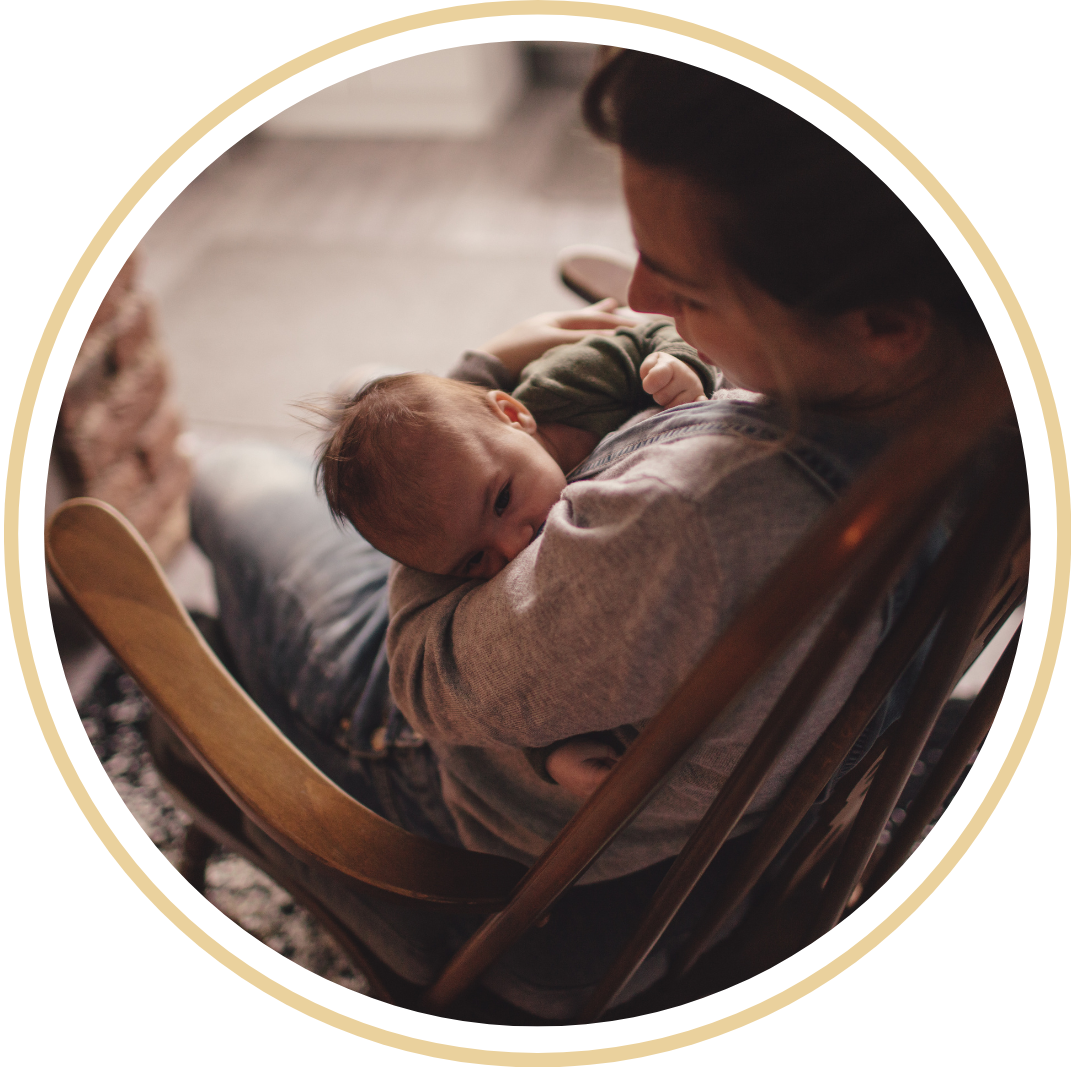
Is Your Baby Ready? A Quick Checklist
Your baby is likely ready to build independent sleep skills if most of these are true:
They are past the 4-month developmental leap, typically called the “4-month sleep regression” (adjusted age, if born early).
Your usual soothing methods are taking longer, not shorter.
They wake often and need only a quick reset to go back to sleep.
They're healthy and gaining weight well. If you're unsure, check with your pediatrician first.
They are exhibiting self-soothing skills such as:
Sucking on fingers, thumb, or fist. This is one of the earliest and most reliable comfort habits, and it often shows up around 3 to 4 months.
Turning the head side to side. Slowly rolling the head back and forth on the mattress is a rhythmic motion that helps many babies wind down.
Rubbing or stroking a surface. You may see them rubbing their hands together or stroking the bedsheet, a blanket edge, or their own face or ear.
Soft humming, cooing, or rhythmic babbling. Quiet sounds as they settle, rather than escalating into crying, show they're calming themselves.
Settling back to sleep after a brief stir. Waking between sleep cycles, fussing for a moment, and drifting off again without help is the clearest sign the skill is developing.
Need Help Getting Started?
If you aren't sure whether you or your baby is ready for sleep training, we're happy to help. We offer a free 15-minute discovery call to talk through your situation and help you decide what's best for your family.
Every plan we create is built on responsive, gentle methods that keep you involved. You'll never be asked to leave your baby to cry it out or ignore your instincts. We work alongside you, at a pace that suits your baby's development, feeding needs, and temperament.